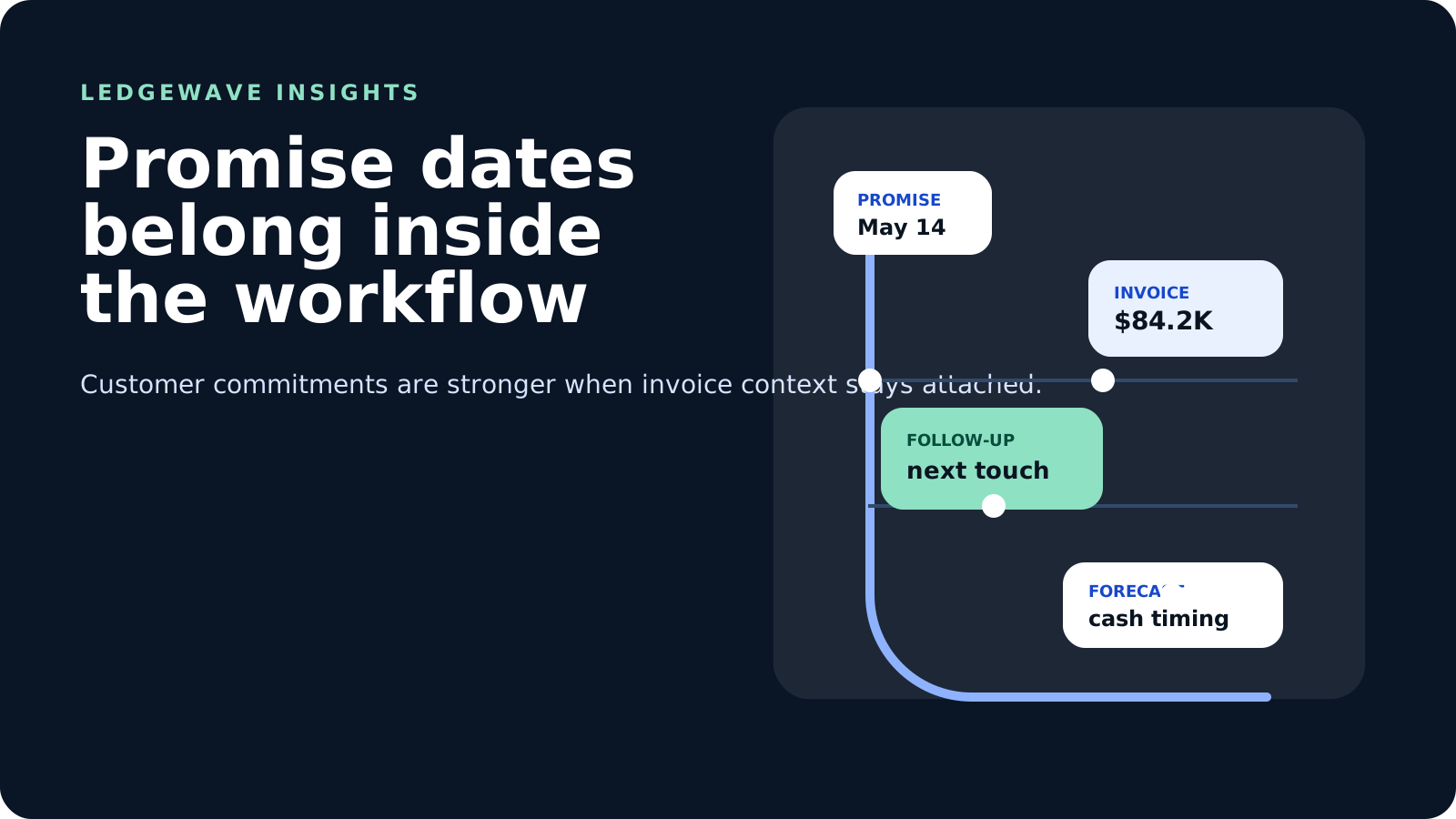
Why promise dates belong inside the receivables workflow
Promise dates are most useful when they stay connected to invoice context, follow-up history, collector activity, and forecast review instead of living in side notes.
Read postWriting from the Ledgewave team on receivables workflow, draft follow-up, planned billing, payment behavior, and cash visibility.
Articles for controllers, AR leaders, and finance teams evaluating modern collections workflow.
Promise dates are most useful when they stay connected to invoice context, follow-up history, collector activity, and forecast review instead of living in side notes.
Read post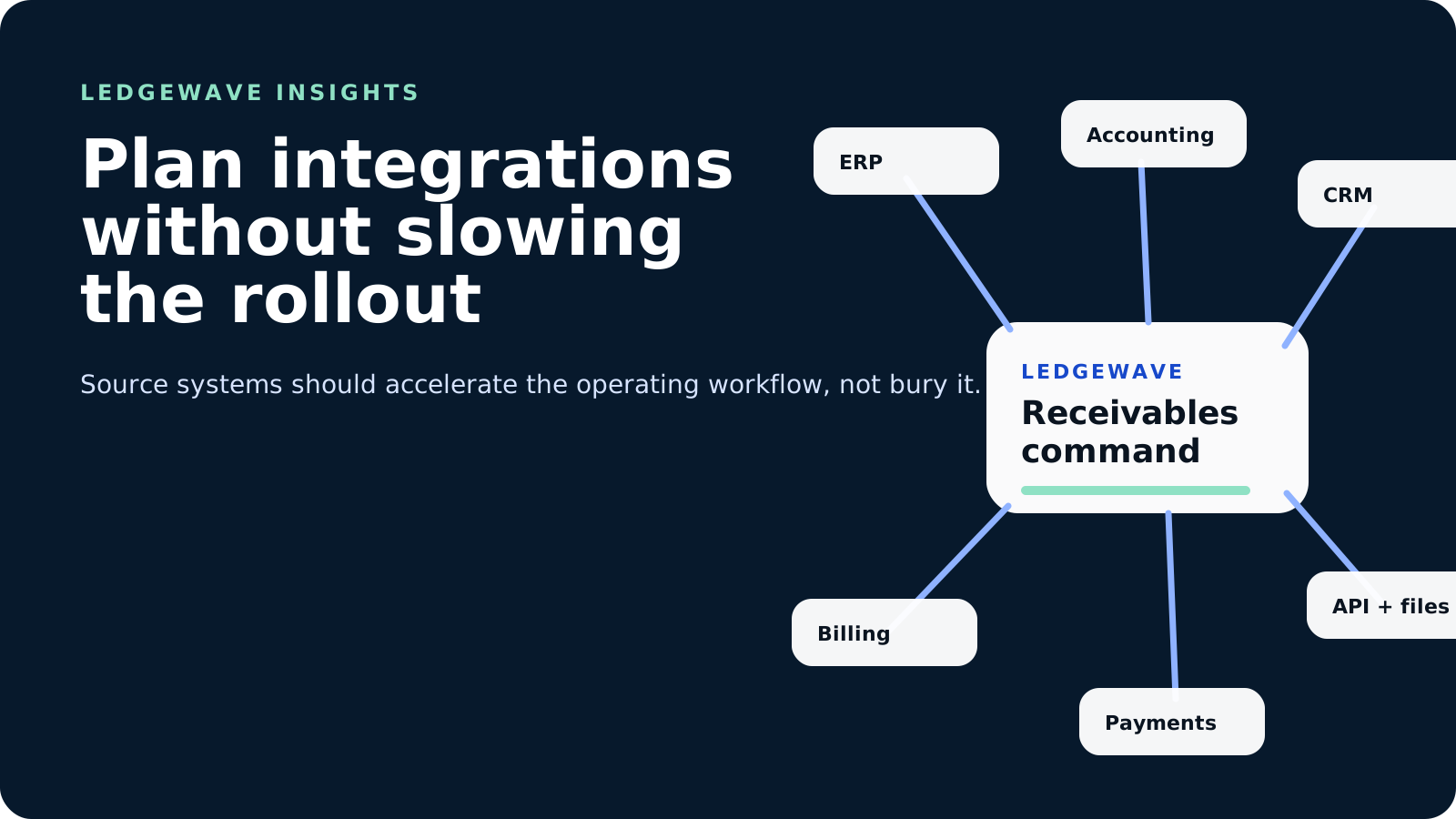
A practical integration plan starts with the receivables workflow, then maps ERP, accounting, CRM, billing, payment, API, and secure file sources around launch.
Read post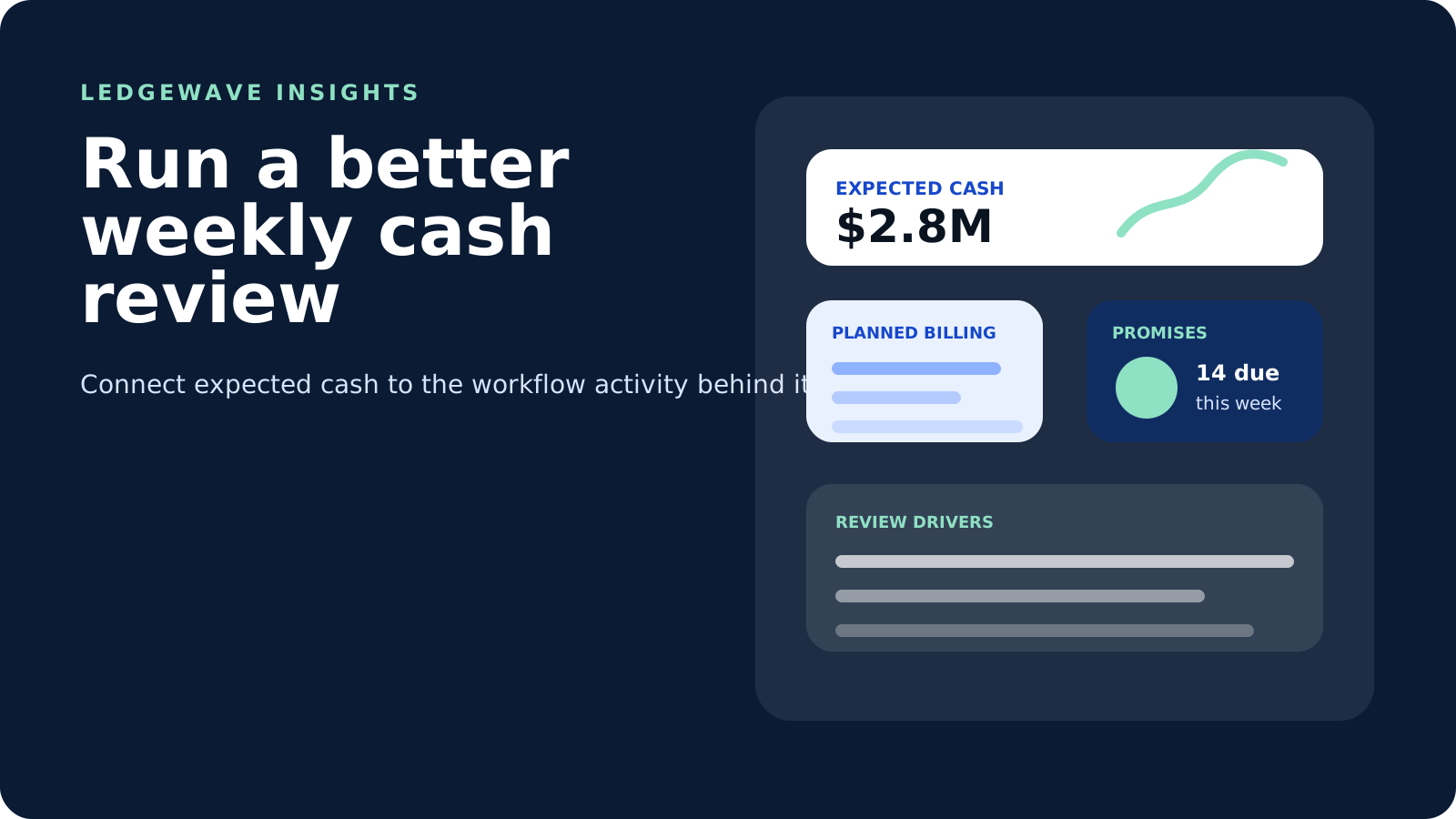
A stronger weekly cash review connects open receivables, planned billing, payment behavior, promises, and collector activity into one operating conversation.
Read post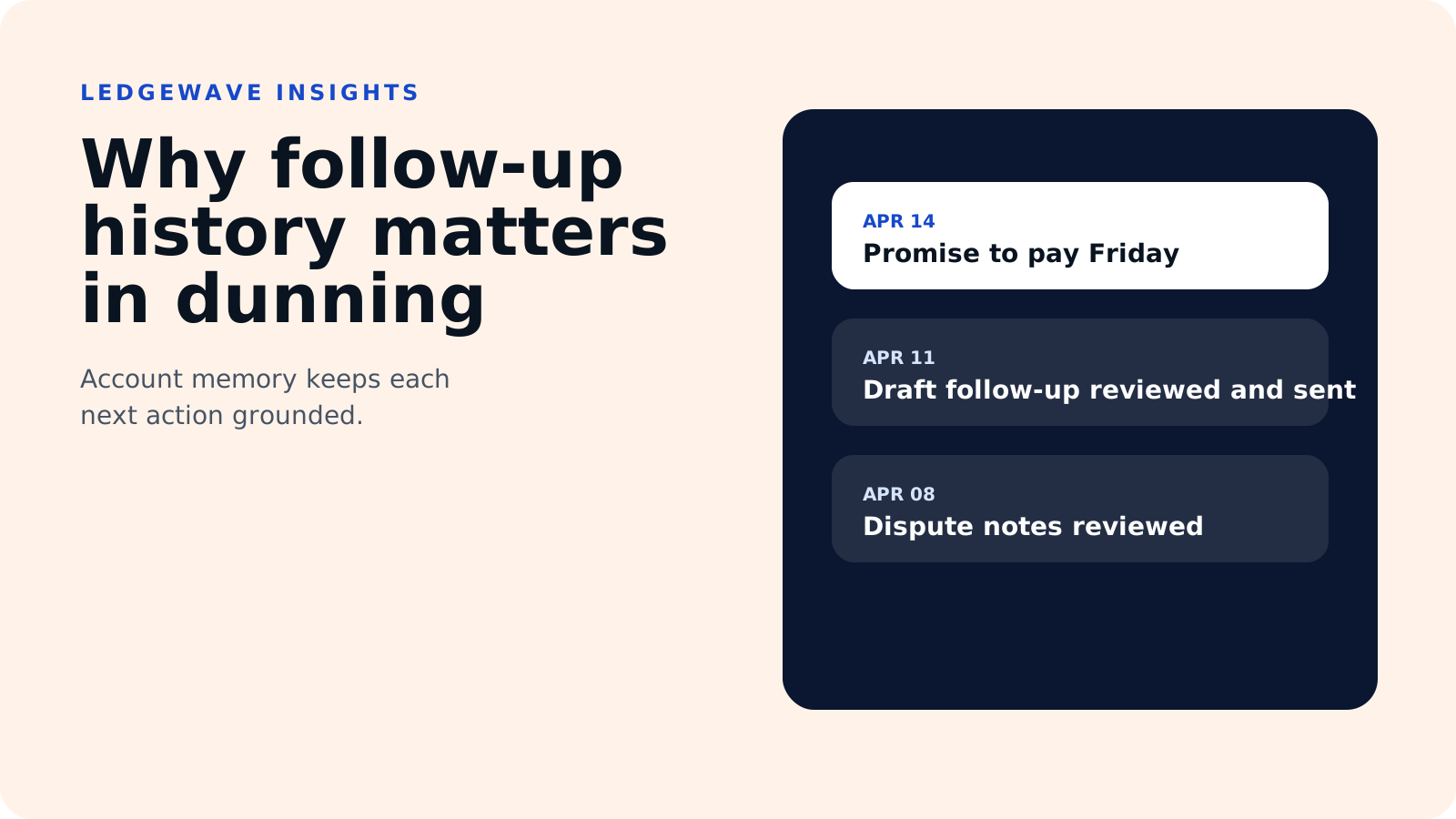
Follow-up history improves dunning when every collector can see the last touch, open issues, and payment expectations without rebuilding the account story.
Read post
Teams improve dunning by standardizing prioritization, draft follow-up, and review discipline before adding deeper system connections.
Read post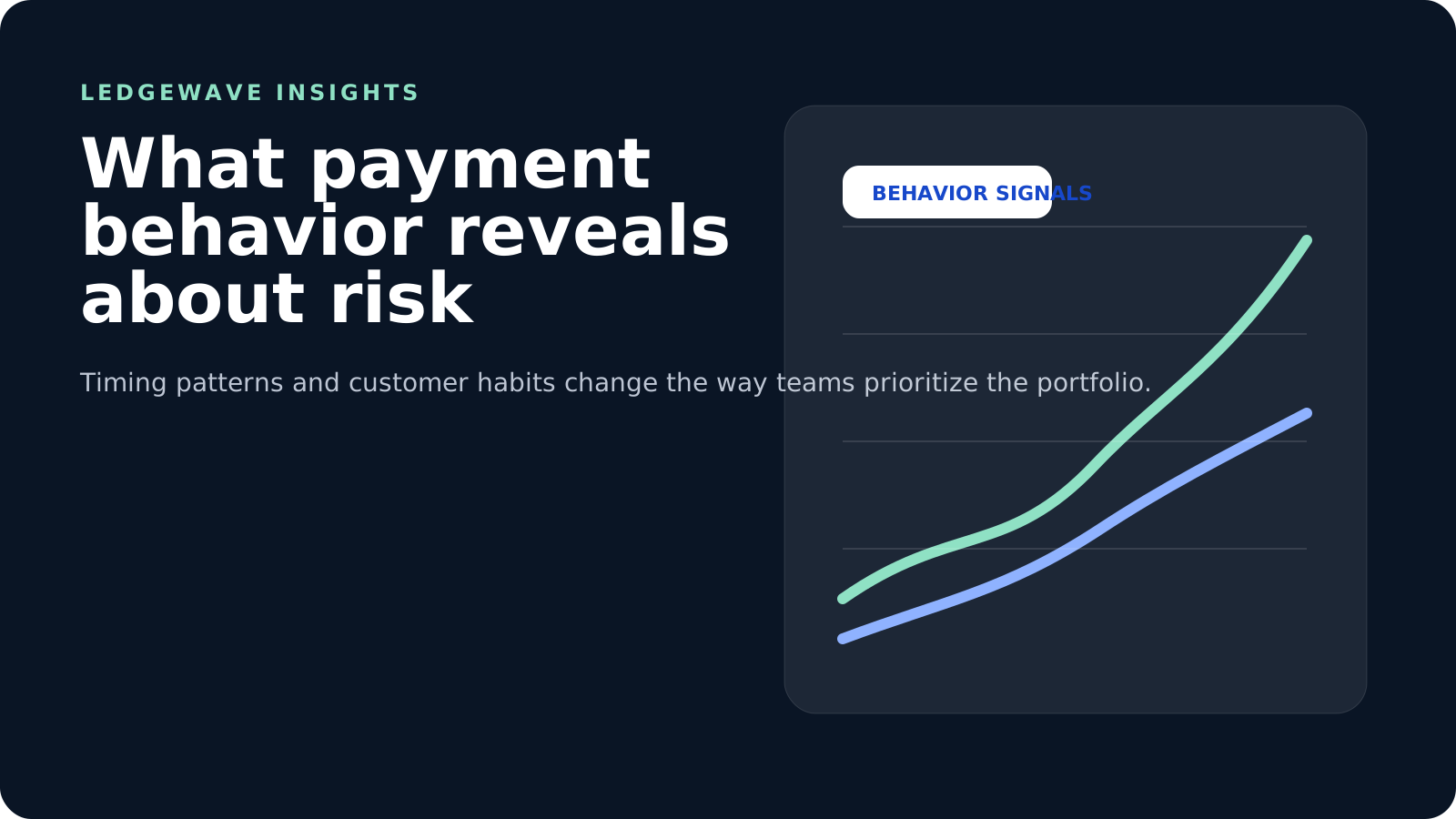
Payment behavior data helps finance teams forecast collections risk more accurately than aging alone by showing which customers pay late, predictably, or inconsistently.
Read post
Planned billing gives finance teams a more complete collections forecast by showing what is about to enter the receivables workflow, not just what is already open.
Read post
If your collections team spends each cycle rebuilding customer context and explaining forecast changes by hand, the spreadsheet workflow has stopped scaling.
Read post